A Structured International Framework for Disability Accessibility

Most institutions know they could do more for students with disabilities. SPIDER helps you understand exactly where your systems stand, what's working, where the gaps are, and what to do next.

Example Insight Does your institution have strong accommodation processes but fragmented cross-campus collaboration? The SPIDER Disability Services Self-Study helps to identify ways to close that gap.

An Institutional Self-Reflection Tool.

The SPIDER Disability Services Self-Study is designed to support institutional reflection and planning around disability access. It enables institutions to understand where they stand how to move forward with intention.

The results of the assessment are interpreted in your local context. The goal is honest self-understanding.

  • International Scope
  • Developmental Framing
  • Research Integrity
  • Equity Centered

This is not an accreditation audit or compliance review. SPIDER is designed for diagnosis, reflection, and planning — with a developmental, non-deficit framing throughout.

A Framework to Meet Your Local Needs.

Whether you need a rapid leadership orientation or a comprehensive cross-functional review, SPIDER meets you where you are — and both paths lead to the same outcome: a clear picture of where your institution stands and what to do next.

1
Quick Scan · ~10 Minutes
Start with a Readiness Snapshot

The Quick Scan gives executive leaders and access directors a rapid, structured read on institutional readiness. Results are immediate and framed for action.

2
Deep Diagnostic · Full Review
Go Deeper Where It Matters

The Deep Diagnostic examines your institution across five domains — from governance and student processes to data use and long-term systemic design. Each domain is scored independently, so you see exactly where you're strong and where investment is needed.

The result is a visual profile, a narrative report, and targeted next steps — all exportable and designed to drive real planning conversations.

Five Domains. One Complete Picture.

Disability access is not a single office function. It spans governance, student experience, campus integration, data use, and long-term design. SPIDER maps all five — because a gap in any one of them has consequences for students.

1
Governance and Structure

Does your institution have clearly designated authority, documented policy, and identifiable resources supporting disability access? Domain 1 examines the foundations everything else depends on.

2
Student Access Processes

Can students navigate your access systems with clarity? Domain 2 examines intake, documentation, communication, appeals, and data processes.

3
Institutional Integration

Is your access office working in isolation or collaboratively across the institution? Domain 3 examines how well disability access is connected to academic departments, student services, Information Technology, and faculty.

4
Data and Continuous Improvement

Are you learning from the data you track? Domain 4 examines whether your institution collects meaningful data, reviews it regularly, and uses it to improve services and allocate resources.

5
Proactive and Systemic Access

Is your institution reducing barriers before students ask? Domain 5 examines inclusive design, digital accessibility, awareness initiatives, and long-term planning that goes beyond individual accommodation.

Where Does Your Institution Stand?

Every institution sits somewhere on a developmental continuum.

Zone 1
Foundational
Access structures are emerging. Practices may be informal or inconsistent. The institution is beginning to formalize its disability access infrastructure.
Zone 2
Developing Infrastructure
Core structures exist but are not fully integrated or consistently applied. Foundational practices are in place and the institution is building toward cohesion.
Zone 3
Integrated Practice
Access systems are formalized, consistently applied, and connected across institutional units. Data informs decisions and improvement is structured.
Zone 4
Systems Level Leadership
Proactive, systemic, equity-centered access practices. Universal design is embedded and disability access is a recognized institutional strategic priority.

A Score Is Just the Beginning.

Every diagnostic result connects directly to practice-anchored guidance — sequenced, role-aware, and mapped to your specific domain scores. Not generic resources. Not a reading list. Structured next steps built around where your institution actually is.

Complete the Self-Study

Work through the Quick Scan or Deep Diagnostic. Receive your domain scores, Overall Maturity Index, band placement, and a visual institutional profile with a full narrative report.

Engage Your Solution Sets

Guidance pathways mapped directly to your results. Role-aware for access directors, academic leaders, IT administrators, and faculty. Rubric-aligned, not generic — built for where you are.

Access Implementation Funding

Targeted microgrant opportunities tied to your diagnostic domains and solution set engagement — with structured application support and reporting scaffolding.

Coming Soon

Example Pathways

Governance Strength, Data Gap

Strong structures but limited data use routes institutions to the Data and Continuous Improvement Solution Set — monitoring frameworks, feedback loops, and evidence-based planning.

Strong Processes, Limited Integration

Mature student processes but fragmented collaboration triggers the Institutional Integration Solution Set — faculty engagement, IT partnership, and cross-unit guidance.

High Accommodation, Low Proactive Design

Strong individual supports but low systemic access triggers the Systemic Access Solution Set — universal design, digital accessibility, and long-term barrier reduction.

Built by Researchers. Designed for Practitioners.

The SPIDER framework was developed by a consortium of disability access researchers and higher education practitioners with decades of combined experience — ensuring that every rubric, every narrative, and every guidance pathway reflects how institutions actually work.

Joseph Madaus
Joseph Madaus, PhD
JOE-zuhf muh-DOWS

Professor and Director
University of Connecticut
Collaborative for Postsecondary Education and Disability

Lyman Dukes
Lyman Dukes III, PhD
LYE-muhn Dukes

Professor
University of South Florida
Executive Director, USF UMatter Program
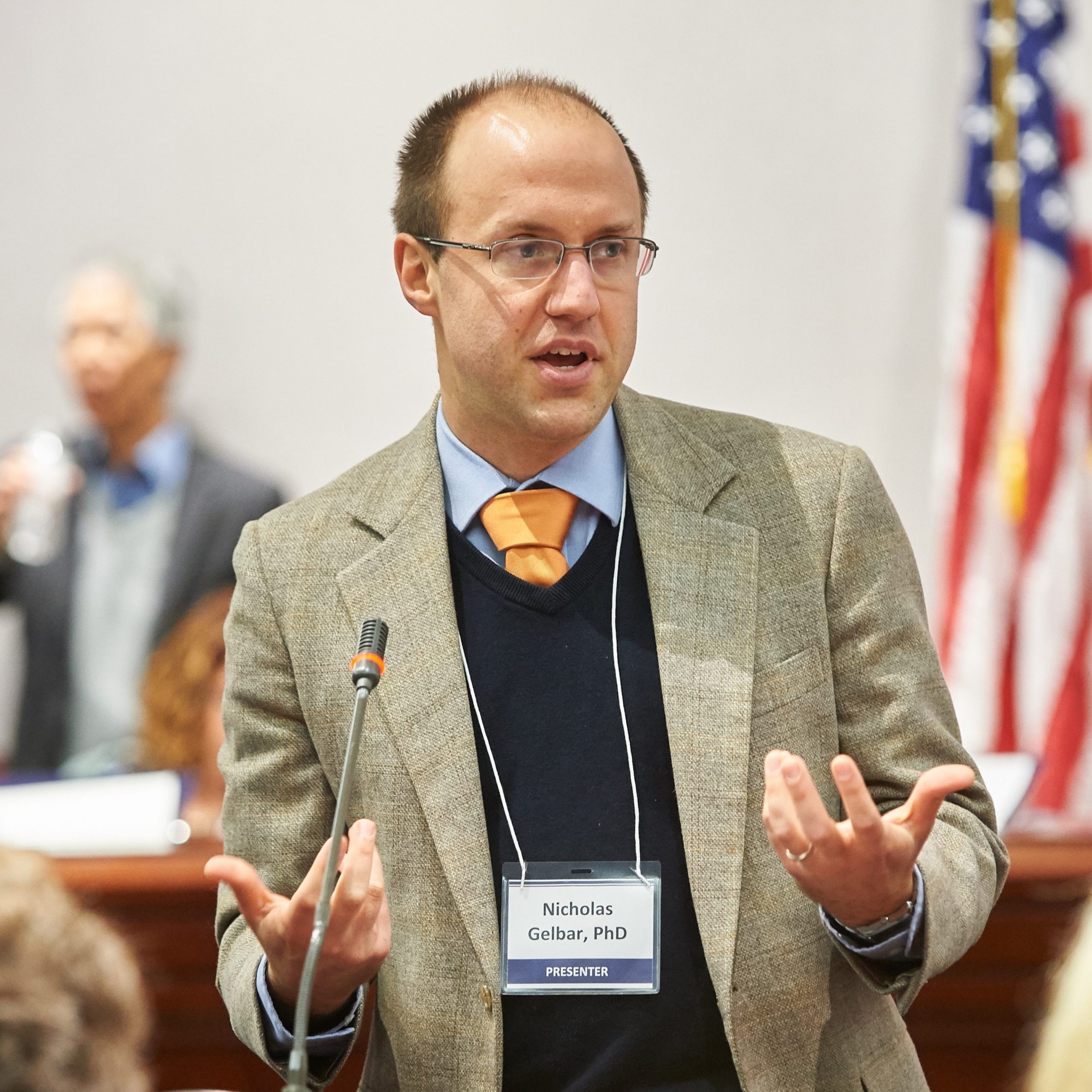
Nicholas Gelbar
Nicholas Gelbar, PhD
NIK-uh-luss GEL-bar

Associate Research Professor
University of Connecticut
Health Center

Michael Faggella-Luby
Michael Faggella-Luby, PhD
MY-kull fuh-JEL-uh LOO-bee

Professor
Texas Christian University
Alice Neeley Special Education Research and Service Institute
Andrews Institute for Mathematics and Science Education